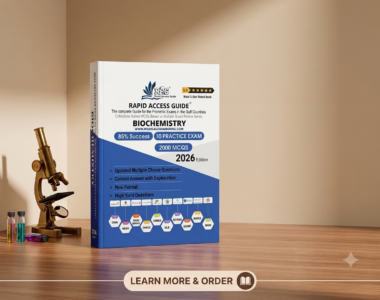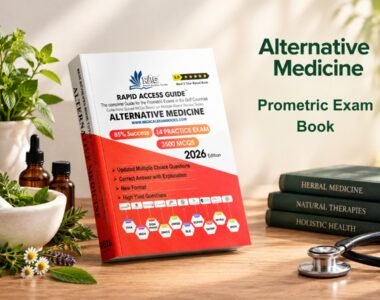
If you are preparing for a Prometric-based licensing exam you already know how competitive and demanding the process can be. Choosing the right Clinical Pathology Book for SCFHS OMSB Prometric Exams is one of the critical decisions you will make on your journey. I understand how important it is to pick the study guide. This guide will walk you through everything you need to know—from what to look for in a study resource, to where to buy it.
Why Clinical Pathology Is Central to Prometric Success
Clinical Pathology covers a spectrum of laboratory medicine—hematology, microbiology, immunology and biochemistry. All of these areas are heavily tested on licensing boards. A weak foundation in Clinical Pathology can lower your score significantly. Investing in a exam‑specific resource is not optional; it is essential. I see many students struggle with this subject.
Moreover Prometric exams across regions share a common thread: they test applied, case‑based knowledge rather than mere recall. Generic textbooks often fall short. Instead you need a book built around Clinical Pathology MCQs for DHA MOH HAAD Prometric Exams so that the question format, difficulty level and clinical scenarios match what you will encounter on exam day.
Which Prometric Exams Require Clinical Pathology Preparation?
People who need organized clinical pathology study help find it useful across exam boards around the world.
In particular these exams always have a part, on pathology: SCFHS (Saudi Arabia) OMSB (Oman) DHA (Dubai) MOH (UAE) HAAD (Abu Dhabi) KMLE (Kuwait) QCHP (Qatar) and NHRA (Bahrain).
Because these exam boards have question styles, a book that is well arranged and gives many Clinical Pathology MCQs for KMLE QCHP NHRA Prometric Exams is just as useful whether you are preparing for a Gulf exam or a South Asian exam.
What Makes a Good Clinical Pathology Book for Prometric?
Not all study materials are the same. When you are choosing what to use look for these qualities:
1. Board-Specific Coverage
First and foremost the book needs to cover the syllabus for your board. A resource that is meant for the Clinical Pathology Book for SCFHS OMSB Prometric Exams should have chapters that match the competency framework from those authorities.
2. High-Yield MCQs with Detailed Explanations
Also every question should have an explanation—not just the answer. Knowing why an answer is right or wrong is what makes learning active of just reading.
3. Updated Content
Also medical guidelines change. A book printed five years ago might have numbers, ways to diagnose or how to treat. Always check that the book you choose has the information.
4. Organized by Topic and Difficulty
Finally a good structure helps you plan your study time. You can spend time on topics you find hard and less time, on ones you already know.
Where to Buy the Best Clinical Pathology Prometric Book
This is where many candidates stumble. While general bookstores and online marketplaces carry medical titles, they rarely stock exam-specific MCQ banks tailored to regional Prometric boards. As a result, many students waste weeks studying from irrelevant material.
The most reliable solution is to purchase directly from specialized medical exam preparation platforms. Among these, Rapid Access Guide has built a strong reputation as a go-to destination for Prometric candidates across the Gulf and beyond. Their catalog specifically includes resources covering Clinical Pathology MCQs for DHA MOH HAAD Prometric Exams as well as materials aligned with SCFHS, OMSB, KMLE, QCHP, and NHRA standards—all in one place.
In addition to that, purchasing from a specialized platform ensures that you receive updated editions, structured question banks, and content validated against actual exam blueprints.
Frequently Asked Questions
Q1: Is one clinical pathology book enough for all Prometric exams?
A single high-quality, board-specific MCQ book can cover the core content for most Gulf Prometric exams. However, supplementing it with a question bank specific to your target board—SCFHS, DHA, or QCHP—is strongly recommended for optimal results.
Q2: How many MCQs should a good clinical pathology prep book contain?
Ideally, a comprehensive resource should contain a minimum of 500–800 well-curated MCQs with detailed explanations. Quality and clinical relevance matter far more than sheer quantity.
Q3: Can I use the same book for KMLE and QCHP preparation?
Yes—because both KMLE and QCHP follow Prometric’s core testing methodology, a book covering Clinical Pathology MCQs for KMLE QCHP NHRA Prometric Exams will serve both boards effectively. Minor differences in emphasis can be addressed through official board guidelines.
Q4: Where is Rapid Access Guide available for purchase?
Rapid Access Guide books and digital resources are available directly through their official website. They ship internationally and also offer digital editions for immediate access after purchase.
Q5: How early should I start studying clinical pathology for my Prometric exam?
Given the breadth of the subject, beginning your clinical pathology preparation at least 8–12 weeks before your exam date is advisable. This timeline allows thorough topic coverage, multiple revision rounds, and ample MCQ practice.
Conclusion: Why Rapid Access Guide Is Your Best Starting Point
When it comes to finding a reliable Clinical Pathology Book for SCFHS OMSB Prometric Exams, the right platform makes all the difference. Rapid Access Guide stands out because it curates exam-specific, board-aligned resources—whether you need Clinical Pathology MCQs for DHA MOH HAAD, or preparation material for KMLE, QCHP, and NHRA exams.
Their collection is updated regularly, competitively priced, and trusted by thousands of candidates who have successfully cleared their Prometric boards. Therefore, if you are serious about passing on your first attempt, Rapid Access Guide is undoubtedly where your preparation should begin.